Hair loss is a common concern affecting both men and women. Whether caused by genetics, hormonal changes, ageing, or medical conditions, thinning hair can affect a person’s appearance and self-confidence. Hair transplantation has become a popular option for restoring hair in areas affected by permanent hair loss.
However, undergoing a hair transplant is not always as simple as it appears. Patients may experience temporary hair shedding, swelling, scalp irritation, uneven hair growth, or disappointment with the final results. Although modern techniques such as Follicular Unit Extraction (FUE) and Follicular Unit Transplantation (FUT) can produce natural-looking outcomes, proper planning, surgical expertise, and aftercare are essential.
If you are considering a hair transplant clinic in Mumbai, understanding the possible challenges can help you make informed decisions.
In this guide, we discuss the top 10 common hair transplant problems, their causes, and practical ways to reduce the risks.
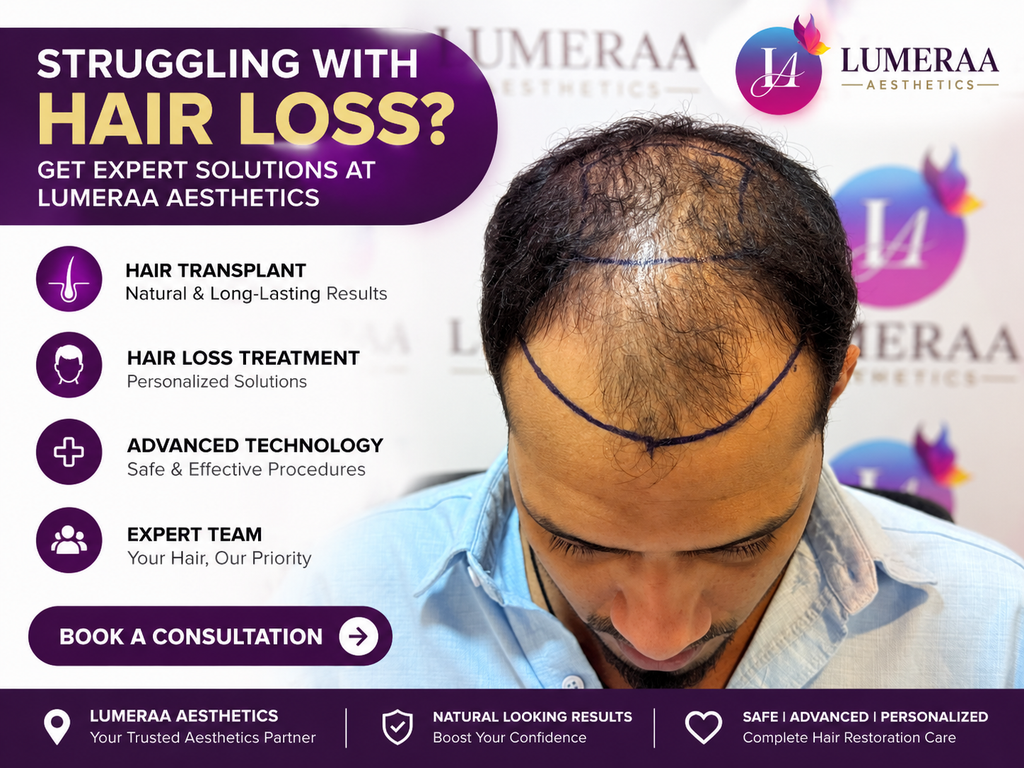
Unrealistic Expectations About Hair Transplant Results
One of the biggest challenges patients face is expecting a completely full head of hair immediately after surgery.
Hair transplantation redistributes existing healthy follicles rather than creating new ones. The final density depends on donor hair availability, hair characteristics, the extent of baldness, and surgical planning.
How to avoid this problem:
Discuss your expectations with a qualified hair transplant surgeon before treatment. Ask about achievable coverage, graft requirements, and long-term hair loss progression.
A realistic treatment plan focuses on natural-looking improvement rather than promising impossible results.
2. Shock Loss After Hair Transplant Surgery
Shock loss refers to temporary hair shedding that may occur after transplantation. Transplanted hair shafts commonly shed during the early recovery period, and some existing hairs near the treated area may also fall out.
According to the American Academy of Dermatology, transplanted hairs commonly shed between two and eight weeks after surgery. New growth usually develops gradually over the following months.
American Academy of Dermatology H3
How to avoid this problem:
Normal postoperative shedding cannot always be prevented. However, following prescribed aftercare instructions, avoiding unnecessary scalp trauma, and attending follow-up appointments can support recovery.
If hair loss is excessive, persistent, or accompanied by inflammation, consult your treating doctor.
3. Infection and Scalp Irritation
Hair transplantation involves creating small openings in the scalp, which means there is a risk of infection.
Although serious infections are uncommon, patients should watch for increasing redness, worsening pain, pus, fever, or unusual swelling.
Poor sterilisation practices and improper postoperative wound care can increase complications.
How to avoid this problem:
Choose a clinic that follows appropriate surgical hygiene and infection-control protocols. Keep your scalp clean according to medical instructions, avoid scratching the treated area, and take prescribed medicines correctly.
Seek prompt medical attention if you notice signs of infection rather than attempting home remedies.
4. Poor Hair Density After Transplantation
Some patients feel disappointed when their transplanted hair looks thinner than expected.
Insufficient density may result from limited donor hair, poor graft survival, unsuitable graft placement, or unrealistic expectations about coverage.
Hair thickness, curl, colour, and scalp contrast also influence how dense the result appears.
How to avoid this problem:
A detailed scalp assessment helps determine how many grafts can safely be transplanted.
Patients searching for the best hair transplant in Mumbai should prioritise experienced surgical planning, realistic density estimates, and donor-area preservation rather than promises of extremely high graft numbers.
5. Unnatural Hairline Design
An unnatural-looking hairline is another concern following poorly planned hair transplantation.
A hairline that is too straight, too low, or incorrectly angled may appear artificial. Hairline transplant design should consider facial proportions, age, existing hair patterns, and potential future hair loss.
How to avoid this problem:
Discuss hairline design carefully with your surgeon before the procedure.
Ask to review genuine examples of previous work and understand how graft direction, spacing, and placement affect the final appearance.
A well-designed hairline should complement your facial features and remain appropriate as you age.
6. Scarring in the Donor Area
Hair transplantation can leave scars where follicles are harvested.
FUT generally produces a linear donor scar, while FUE creates multiple small circular scars. Although FUE scars may be less noticeable with suitable hair coverage, it is incorrect to describe the procedure as completely scar-free.
Excessive follicle extraction can also cause visible donor-area thinning.
How to avoid this problem:
Choose a qualified surgeon who carefully evaluates donor hair availability and avoids excessive harvesting.
Discuss the differences between FUE and FUT, including scarring, healing, and future hair restoration needs.
7. Swelling, Redness, and Discomfort
Mild swelling, redness, tenderness, and temporary scalp numbness can occur after hair transplant surgery.
Some patients experience forehead swelling during the first few days. These symptoms usually improve as the scalp heals, although recovery varies.
How to avoid this problem:
Follow your surgeon’s postoperative instructions, including recommendations about sleeping position, medication, washing, and physical activity.
Avoid strenuous exercise until your medical team confirms it is safe.
Severe pain, rapidly worsening swelling, fever, or spreading redness requires prompt medical assessment.
8. Slow Hair Growth After Transplantation
Many patients become worried when visible hair growth does not begin immediately.
Hair transplantation requires patience because transplanted follicles undergo a recovery and growth cycle.
Most patients notice meaningful results between six and nine months after surgery, while some need approximately 12 months or longer for fuller maturation.
American Academy of Dermatology
How to avoid this problem:
Understand the expected recovery timeline before treatment and attend scheduled follow-ups.
Avoid judging the final outcome during the first few months.
If your surgeon recommends supportive treatment, discuss its expected benefits and limitations. Patients researching PRP treatment in Mumbai should know that platelet-rich plasma therapy is sometimes used for hair loss, but evidence of its benefits varies, and it cannot guarantee improved transplant growth
9. Continued Hair Loss After Transplantation
A successful hair transplant does not necessarily stop future hair loss.
Transplanted follicles may continue growing for many years, but surrounding natural hair can still become thinner because of genetic or hormonal factors.
This can eventually create uneven density between transplanted and non-transplanted areas.
How to avoid this problem:
Consult a qualified dermatologist to identify the underlying cause of hair loss.
Depending on your diagnosis, a doctor may recommend treatments such as topical minoxidil or prescription medication to help manage ongoing hair loss.
Patients looking for a skin specialist in Mumbai should seek a dermatologist experienced in diagnosing scalp conditions and different types of alopecia.
10. Choosing an Inexperienced Hair Transplant Provider
Selecting a clinic based only on discounts, advertising, or promises of guaranteed results can increase the risk of poor outcomes.
Hair transplantation is a surgical procedure requiring appropriate medical training, careful planning, and postoperative supervision.
The International Society of Hair Restoration Surgery warns about the risks associated with inadequately trained or unlicensed individuals performing surgical procedures.
How to avoid this problem:
Before selecting a hair transplant provider, verify the operating surgeon’s qualifications, registration, and experience.
Ask who will perform the critical surgical steps, what safety protocols are followed, and how complications are managed.
Whether visiting a hair restoration centre or a skin treatment clinic in Mumbai, prioritise patient safety, transparent communication, and evidence-based medical care.
How to Choose the Right Hair Transplant Clinic in Mumbai
Finding a suitable clinic requires more than comparing prices or treatment packages. A responsible provider should explain both the benefits and limitations of hair restoration surgery.
Before making a decision, consider the following:
- Medical qualifications: Verify the surgeon’s credentials, registration, and relevant surgical experience.
- Personalised consultation: Ensure your scalp condition, medical history, and hair loss pattern are evaluated.
- Treatment transparency: Ask about the recommended technique, estimated graft count, possible complications, and total cost.
- Postoperative support: Confirm that follow-up appointments and complication management are available.
- Realistic outcomes: Avoid providers promising guaranteed hair growth or completely scar-free procedures.
A proper consultation can also help determine whether non-surgical hair loss management should be considered before transplantation.
Frequently Asked Questions
1. What is the most common problem after a hair transplant?
Temporary hair shedding, scalp redness, swelling, and mild discomfort are among the commonly experienced postoperative effects. Most improve during recovery, but persistent or worsening symptoms require medical evaluation.
2. Is hair transplant surgery painful?
Hair transplantation is usually performed under local anaesthesia, which numbs the scalp. Patients may experience discomfort during anaesthetic injections and mild soreness after the procedure. Pain levels vary between individuals.
3. How long does a hair transplant take to show results?
New growth develops gradually. Many patients see noticeable improvements within six to nine months, while fuller results may take 12 months or longer.
4. Can a hair transplant fail?
Yes. Poor graft survival, unsuitable surgical techniques, inadequate donor hair, and certain scalp conditions can affect results. Choosing an experienced surgeon and following aftercare instructions may reduce avoidable risks.
5. Is PRP treatment effective for hair growth?
PRP treatment may improve hair density in some people with pattern hair loss. However, research findings vary, and evidence remains limited by differences in treatment protocols and study quality. It is not a guaranteed alternative to hair transplantation.
6. How do I find the best hair transplant in Mumbai?
Look for a qualified surgeon, appropriate medical facilities, genuine patient results, clear treatment explanations, and reliable postoperative care. The most suitable provider depends on your individual hair loss condition and treatment requirements.
7. Can transplanted hair fall out permanently?
Transplanted follicles from suitable donor areas are generally resistant to pattern hair loss, but permanent survival is not guaranteed. Existing natural hair may continue thinning, making long-term treatment planning important.
Conclusion
Hair transplantation can provide natural-looking improvement for suitable patients, but understanding the possible problems is essential before undergoing surgery. Temporary shedding, infection, scarring, poor density, unnatural hairlines, and continued hair loss are concerns that deserve careful attention.
The key to reducing these risks is choosing a qualified medical professional, setting realistic expectations, and following appropriate postoperative care.
If you are exploring hair restoration options in Mumbai, Lumeraa Aesthetics, located in Mumbai, is a clinic you may consider contacting to enquire about hair and scalp consultations and the treatments available. Before proceeding, confirm the qualifications of the treating professional, the services offered, and whether hair transplantation is appropriate for your condition.
Making an informed decision is the first step towards safer treatment and realistic, long-term hair restoration goals.